
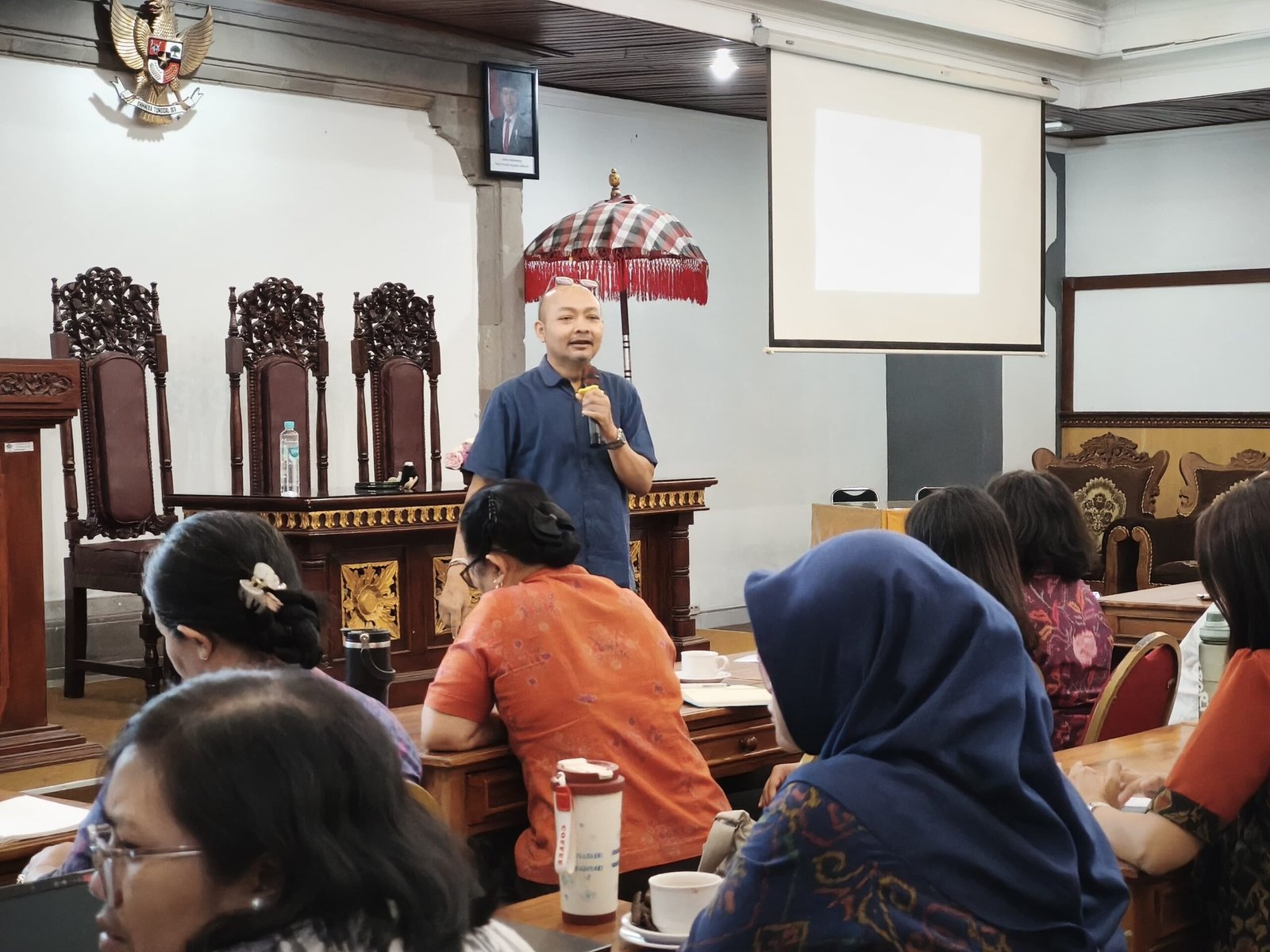
BALINEWSID.COM, DENPASAR – Human Immunodeficiency Virus (HIV) is no longer considered a death sentence, thanks to major advances in antiretroviral therapy (ART) that have transformed HIV into a manageable chronic condition. People living with HIV (PLHIV) can now lead healthy, productive lives and enjoy a quality of life comparable to the general population.
This was highlighted by physician and reproductive health activist Dr. Oka Negara during the 2026 HIV Counselors Coordination Meeting organized by the Bali AIDS Commission (KPA Bali) at the Provincial Health Training Center (UPTD Bapelkesmas Bali) on Tuesday (June 2, 2026).
According to Oka, the situation has changed dramatically since the early years of the HIV epidemic in the 1980s, when an HIV diagnosis often resulted in death due to the lack of effective treatment options.
“Through proper and consistent antiretroviral therapy, people living with HIV can remain productive for decades, work, build families, have HIV-free children, and maintain a quality of life that is nearly equivalent to that of the general population,” he said.
Despite significant progress in HIV treatment, Oka emphasized that HIV remains a major global public health challenge. Stigma, discrimination, delayed diagnosis, and unequal access to healthcare services continue to hinder efforts to control the epidemic.
Based on the latest data from UNAIDS and the World Health Organization (WHO), approximately 40.8 million people were living with HIV worldwide by the end of 2024. Of that number, around 39.4 million were adults and 1.4 million were children under the age of 15.
Since the beginning of the epidemic, more than 91 million people are estimated to have contracted HIV, while approximately 44 million people have died from AIDS-related illnesses.
In 2024 alone, there were an estimated 1.3 million new HIV infections and 630,000 AIDS-related deaths globally, indicating that although considerable progress has been made, the HIV epidemic is far from over.
To end the HIV/AIDS epidemic by 2030, UNAIDS has established the global 95-95-95 targets. These goals aim for 95 percent of people living with HIV to know their status, 95 percent of those diagnosed to receive antiretroviral therapy, and 95 percent of those on treatment to achieve viral suppression.
However, by 2024, global achievements remained below target, with 87 percent of people living with HIV aware of their status, 77 percent receiving ART, and 73 percent achieving viral suppression.
“Delayed diagnosis remains one of the key factors driving ongoing HIV transmission in many countries,” Oka explained.
He also highlighted the importance of the concept (Undetectable, Untransmittable), a groundbreaking development in modern HIV management. The principle confirms that people living with HIV who consistently take ART and achieve an undetectable viral load cannot transmit the virus through sexual contact.
According to Oka, is not only a medical breakthrough but also a powerful tool for reducing stigma and discrimination against people living with HIV.
“This finding has transformed public understanding of HIV and provides great hope for people living with the virus to live normal lives,” he said.
Advances in HIV treatment have also simplified patient care. While patients once had to take multiple medications daily with significant side effects, most now require only a single tablet per day. Dolutegravir-based regimens have become the standard of care in many countries due to their effectiveness, lower risk of resistance, and fewer side effects.
In addition, the current Test and Treat approach recommends initiating ART immediately after an HIV diagnosis, without waiting for the immune system to deteriorate.
Meanwhile, Puji Astuti, HIV/AIDS Program Coordinator at the Merpati VCT Clinic of Wangaya Regional Hospital in Denpasar, stressed that HIV continues to have biological, psychological, and social impacts on those affected.
She emphasized that HIV prevention and control efforts require cross-sector collaboration and active community participation to achieve the national goal of eliminating HIV/AIDS and sexually transmitted infections (STIs) by 2030.
Puji noted that counseling plays a crucial role in supporting successful HIV treatment outcomes. However, several challenges remain, including counselors dominating conversations, being judgmental, failing to respect clients, and showing insufficient empathy.
To establish trust and effective communication, counselors must demonstrate sincerity, empathy, warmth, and active listening skills.
“Positive body language, good eye contact, an open attitude, and strong listening skills are essential in building clients’ trust,” she said.
Puji further stressed that adherence to antiretroviral therapy remains the cornerstone of successful HIV treatment. Consistent treatment helps prevent viral suppression failure, increase CD4 cell counts, reduce drug resistance, lower HIV transmission rates, and decrease HIV/AIDS-related illness and mortality.
Current guidelines recommend ART for all people living with HIV regardless of clinical stage or CD4 count, including pregnant women, breastfeeding mothers, and serodiscordant couples.
The meeting also reaffirmed the commitment to achieving the global Three Zero targets by 2030: zero new HIV infections, zero AIDS-related deaths, and zero stigma and discrimination against people living with HIV.
To reach these goals, healthcare facilities are expected to strengthen early HIV detection, improve referral systems, monitor treatment adherence, and expand counseling and support services.
Through stronger collaboration, broader access to healthcare, and intensified public education efforts, Bali and Indonesia are expected to contribute significantly to the global goal of ending the AIDS epidemic by 2030.








Discussion (0)
No comments yet.