
BALINEWSID.COM, DENPASAR – The planned closure of Suwung Landfill in Bali has raised concerns over waste management during the transition period, particularly as the island’s Waste-to-Energy (PSEL) facility is not expected to begin operations until late 2027 or early 2028.
The Provincial Executive Board of the Indonesian Association of Environmental Experts (Pertalindo) in Bali has urged the provincial and regency/city governments to strengthen Waste Reduction, Reuse and Recycling (3R) facilities at the village and sub-district levels across the island.
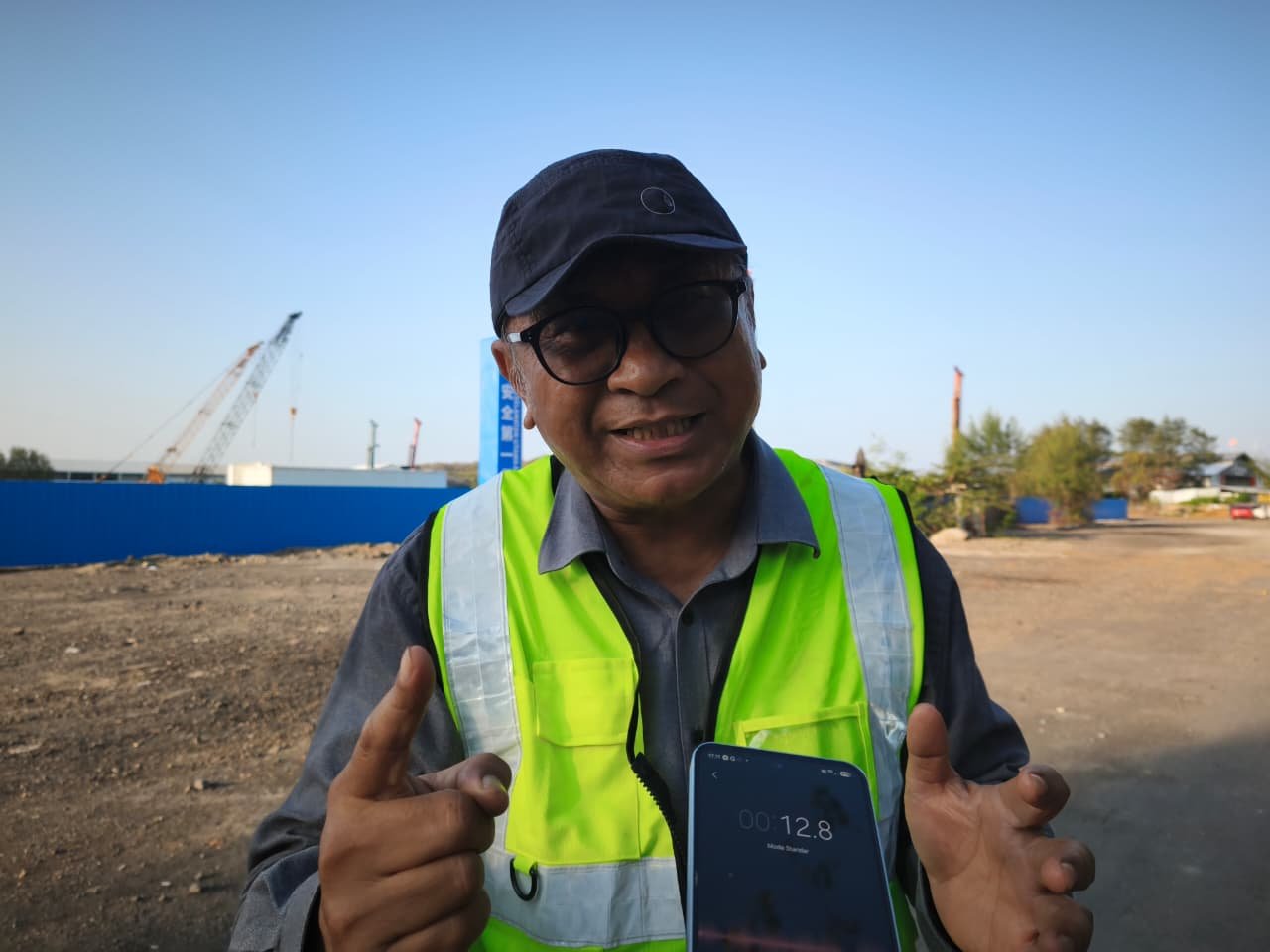
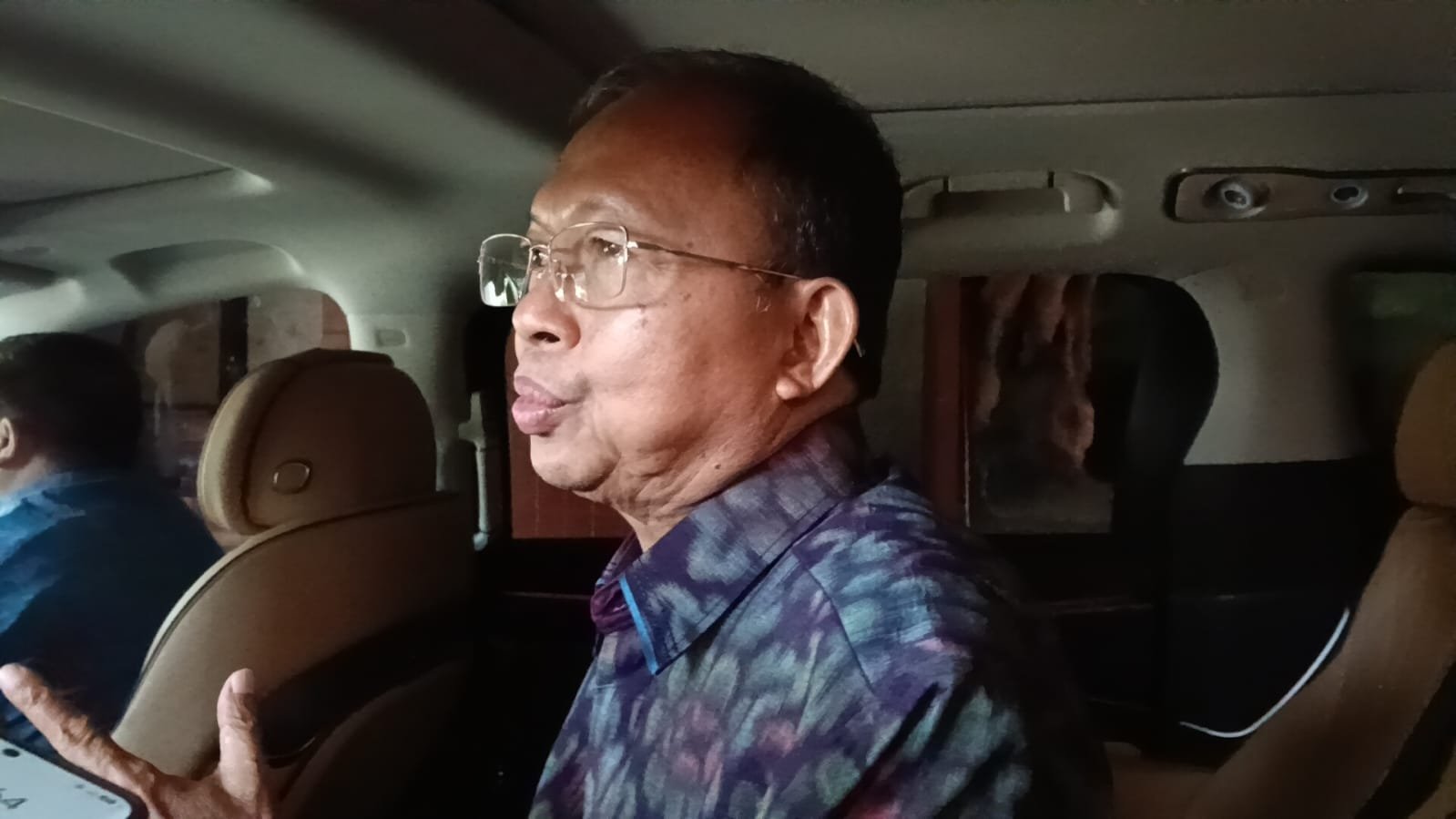
Pertalindo Bali Chairman Dr. Ketut Gede Dharma Putra said the government needed to prepare a serious transition strategy to prevent waste management problems from worsening while Bali waits for the PSEL facility to become operational.
Dharma made the statement during an interview at the PSEL construction site in Benoa, Denpasar, on Friday (July 31, 2026).
According to Dharma, the PSEL facility is important for handling residual waste at the downstream stage of the waste management system. However, he stressed that the facility should not be treated as the sole solution to Bali’s waste crisis, particularly before it begins operating.
“While waiting for the PSEL facility to operate, which is planned for late 2027 or early 2028, and with the planned closure of Suwung Landfill, I urge the Bali Provincial Government and regency and city governments across Bali to continuously provide guidance, assistance and whatever facilities are needed by 3R waste management facilities,” Dharma said.
He emphasized that waste management must be carried out from upstream to downstream.
Organic waste and recyclable materials, he said, should be separated and processed at the source, while residual waste could subsequently be handled by the PSEL facility.
Dharma explained that effective waste separation at the source would be crucial to the future performance of the PSEL facility. Waste intended for combustion should ideally be relatively dry, allowing it to have a higher calorific value.
In contrast, organic waste contains a high level of moisture, resulting in a lower calorific value and making it less suitable for combustion.
He also stressed the importance of strict temperature and emissions controls in waste-to-energy facilities using combustion technology.
Through high-temperature combustion, waste can be processed into gas and ash. However, Dharma said, the resulting emissions and residues must be carefully monitored to ensure environmental safety.
During the transition period, Dharma urged the government not to focus solely on the PSEL project but also to ensure that existing waste management systems continue to operate effectively.
He said 3R facilities at the village and sub-district levels needed stronger government support in the form of training, infrastructure, technology and operational assistance.
“If all these 3R facilities function properly, they could potentially resolve a significant portion of Bali’s waste problems while we wait for the PSEL facility to become operational in the next two years,” he said.
Dharma also raised concerns over environmental law enforcement.
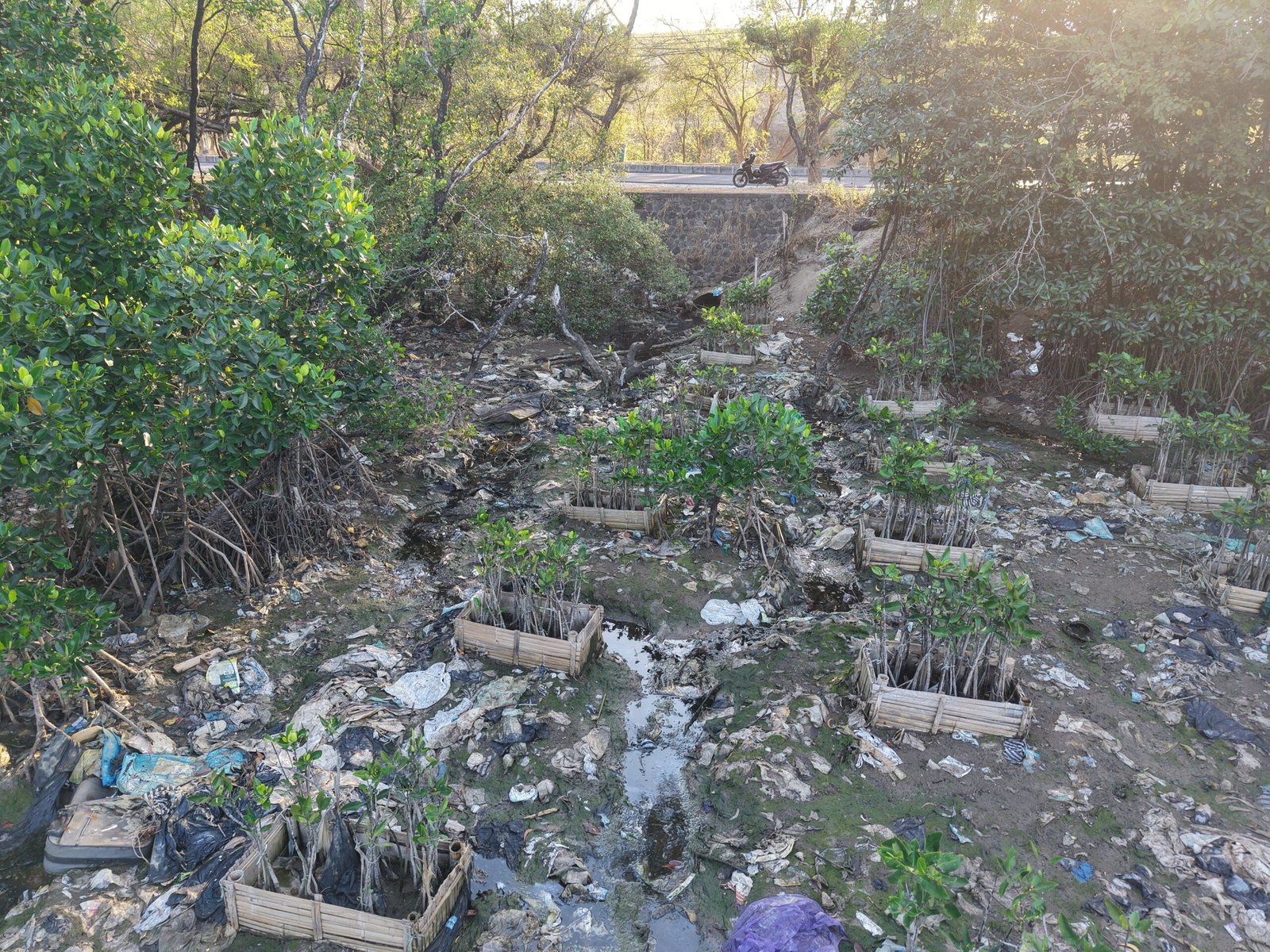
He argued that public education on waste separation and management would not be sufficient if it was not accompanied by firm action against activities proven to cause environmental pollution.
“It is pointless to educate people to separate and manage their waste if, right before their eyes, they see environmental crimes being openly committed. There must be law enforcement,” he said.
According to Dharma, waste management involving facilities under the authority of more than one regency or municipality also requires coordination and responsibility at the provincial level, in accordance with the applicable framework for waste management authority.
He therefore called on the government to demonstrate its commitment through stronger environmental monitoring and law enforcement against pollution.
Dharma said he supports the construction of the PSEL facility because Bali needs a solution for managing residual waste. However, he stressed that the development and operation of the facility must comply with all environmental procedures and licensing requirements.
For Dharma, Bali’s waste crisis cannot simply be left to the PSEL facility to solve once it becomes operational.
Waste reduction and separation at the source, stronger 3R facilities, environmental monitoring and law enforcement, he said, must all be implemented simultaneously.
The transition following the planned closure of Suwung Landfill therefore requires immediate attention to ensure Bali’s waste management system remains functional while the island awaits the completion and operation of its waste-to-energy facility.



Discussion (0)
No comments yet.