
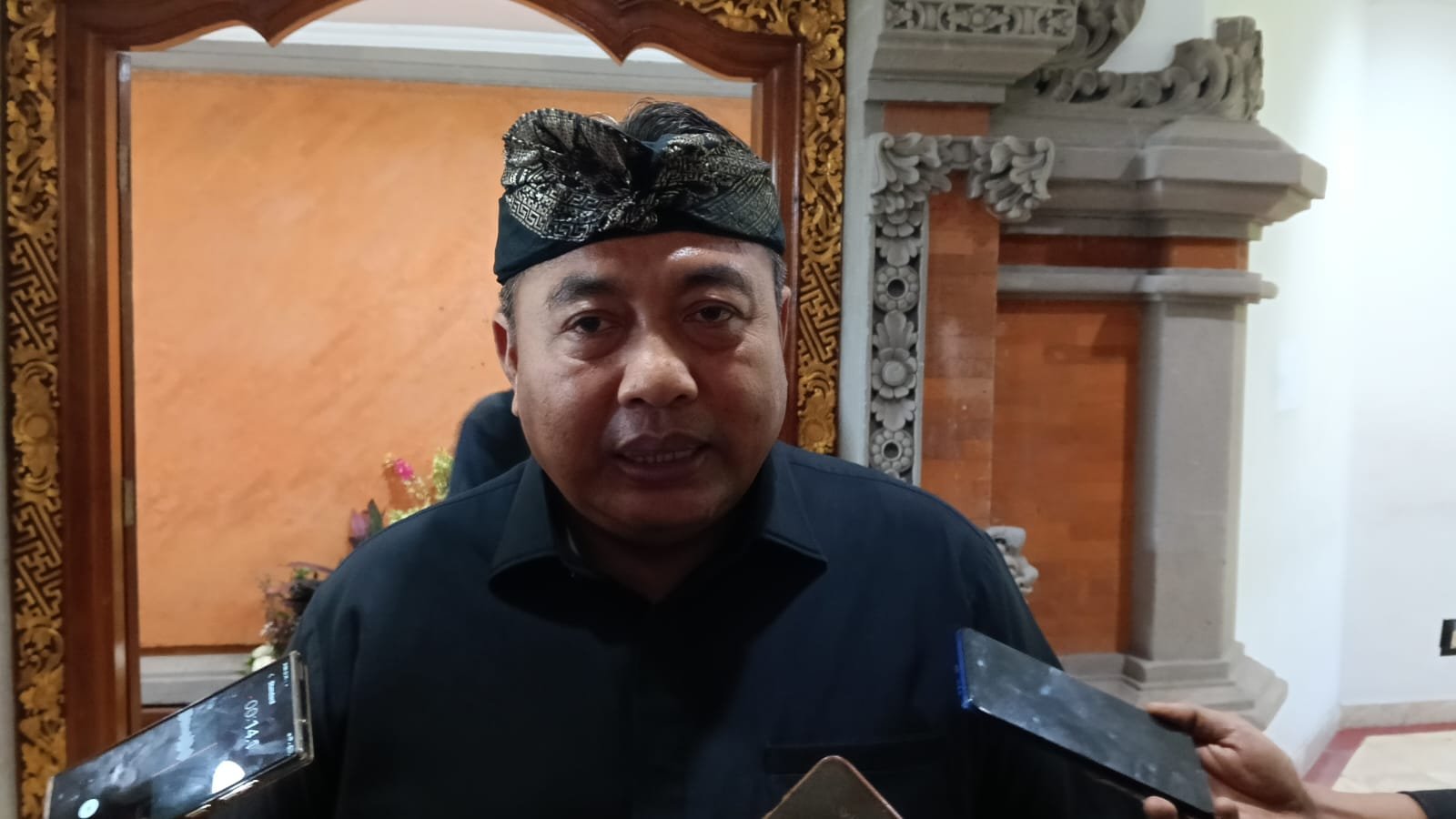
BALINEWSID.COM, DENPASAR — Indonesian lawmaker Nyoman Parta has emphasized the strategic role of indigenous communities as frontline protectors of the environment and a crucial defense against climate change, urging the immediate passage of the Indigenous Peoples Bill (RUU Masyarakat Adat).
Parta delivered the statement following a working visit by the House of Representatives (DPR RI) to the Bali Governor’s Office on Thursday (May 7, 2026). He stressed that indigenous communities have existed long before the establishment of the Indonesian state and are constitutionally recognized under Article 18B paragraph (2) of the 1945 Constitution, which mandates the state to acknowledge and respect their existence.
“Recognition and respect mean honoring and dignifying indigenous communities. This bill is designed to elevate their status across Indonesia, including traditional villages in Bali,” Parta said.
He noted that indigenous communities have consistently proven to be the most reliable guardians of forests, ecosystems, and natural balance. Therefore, he argued, efforts to mitigate climate change cannot be separated from strengthening their authority and role.
“If we are serious about minimizing climate change, indigenous communities must be granted a respected position with the authority to manage their own affairs,” said the Indonesian Democratic Party of Struggle (PDI-P) politician.
Parta also dismissed concerns that passing the bill would hinder investment. Instead, he argued that involving indigenous communities could reduce conflicts that often arise in development projects.
“Conflicts occur because indigenous communities are excluded. With proper communication, investment costs can actually be lower since disputes can be avoided,” he explained.
In Bali, Parta highlighted that most areas are closely tied to customary land systems. He underscored the significant role of traditional villages (desa adat) in spatial planning and social life.
“In Bali, what people recognize are the boundaries of traditional villages, not administrative villages,” he said.
Currently, the DPR RI is gathering input from various regions, including Bali, Sumatra, Kalimantan, Papua, Maluku, and East Nusa Tenggara, to formulate legislation that accommodates the diversity of indigenous communities across Indonesia.
Beyond environmental and legal considerations, Parta also described indigenous communities as a vital asset for the future of Indonesia’s tourism sector. He said that the country’s long-term appeal lies not only in natural resources but also in its rich cultural heritage.
“If one day we no longer rely on mining or minerals, what will attract tourists the most is our indigenous communities,” he concluded.




Discussion (0)
No comments yet.