
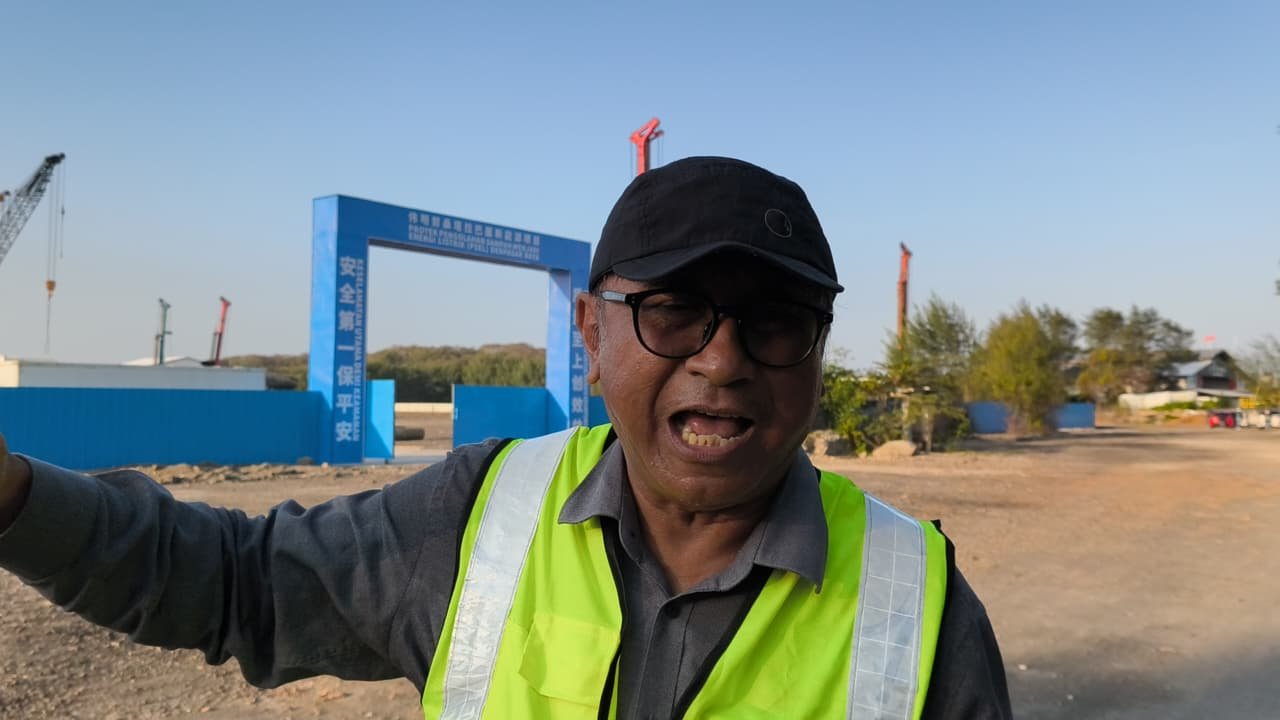
BALINEWSID.COM, DENPASAR – Bali’s planned Waste-to-Energy (WTE) facility must comply with environmental regulations and all required licensing procedures before construction and operations proceed, an environmental expert has warned.
The planned facility, which is expected to process approximately 1,200 tons of residual waste per day, is considered a project with potentially significant environmental impacts and therefore requires a comprehensive environmental assessment in accordance with applicable regulations.
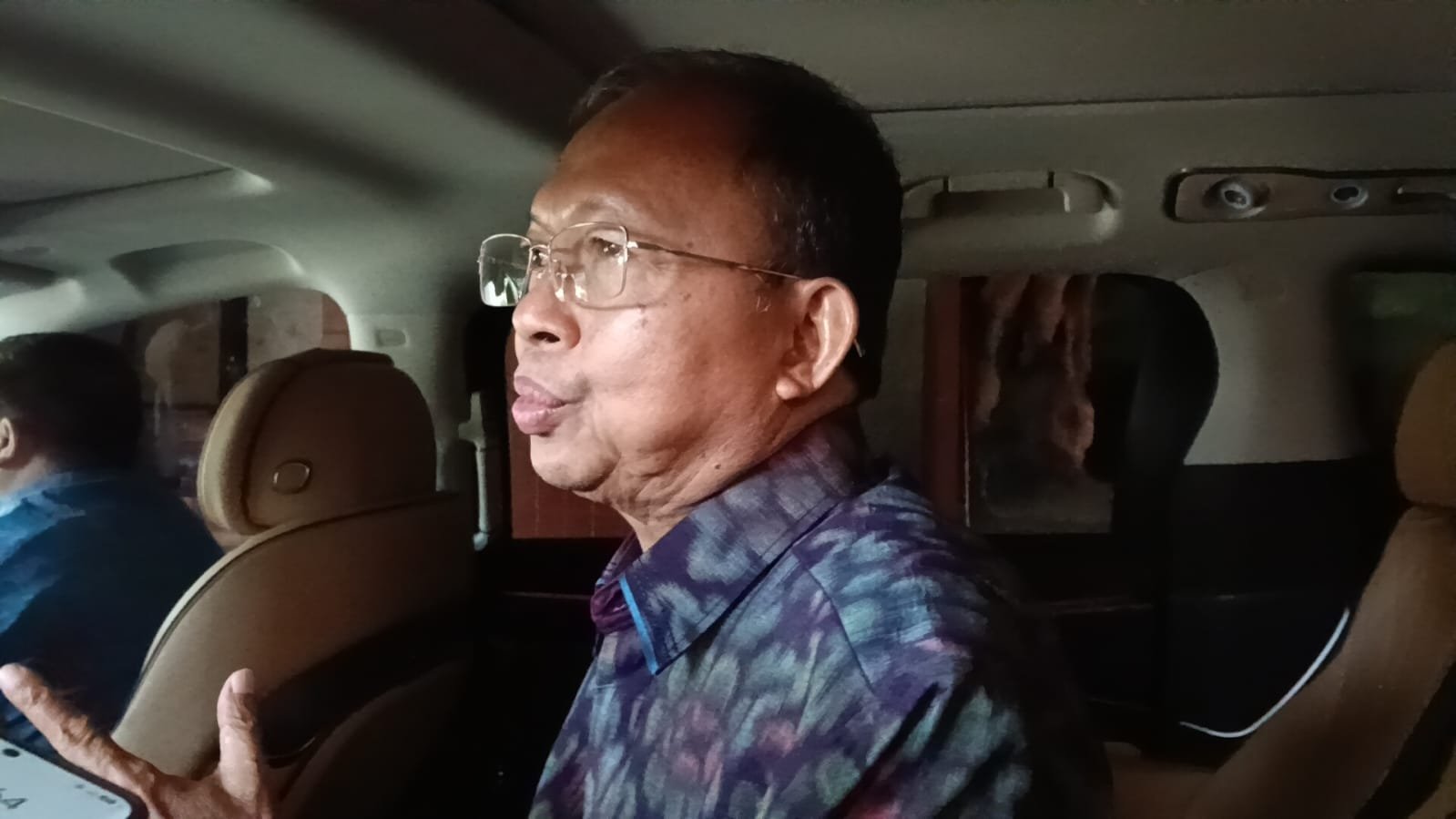
Dr. Ketut Gede Dharma Putra, Chairman of the Bali Provincial Board of the Indonesian Association of Environmental Experts (Pertalindo), said the WTE project should not be rushed by bypassing environmental and legal requirements.
He made the statement when speaking to journalists in Benoa, Denpasar, on Friday (July 31, 2026).
Dharma said the scale of the planned facility was significantly different from small-scale waste-burning activities. Facilities handling smaller quantities of waste may be subject to less extensive environmental documentation, while the planned 1,200-ton-per-day capacity requires stricter environmental safeguards.
“If a waste-to-energy plant burns 1,200 tons of waste per day, it falls into a category that has a significant impact on the environment,” Dharma said.
Land and Spatial Planning Must Come First
Dharma explained that the environmental assessment process cannot simply begin with an Environmental Impact Assessment (AMDAL). The project must first establish land availability and compliance with spatial planning requirements.
This includes obtaining approval for the conformity of land-use activities with spatial planning, known as PKKPR.
If the WTE facility requires seawater for cooling or other operational purposes, the project must also comply with regulations governing the use of marine space, including the relevant marine PKKPR requirements.
Only after these preliminary requirements have been fulfilled should the environmental assessment process proceed, including public consultations and outreach to communities that could potentially be affected by the project as well as environmental stakeholders.
The process would then lead to an Environmental Approval.
However, Dharma stressed that obtaining environmental approval would not mark the end of the project’s legal requirements.
The facility would still have to comply with other requirements, including Building Approval (PBG), a Certificate of Functional Feasibility (SLF), and an Operational Feasibility Certificate (SLO).
Emissions a Major Concern
Emissions are another critical issue that must be closely monitored, Dharma said.
Because the facility would involve large-scale waste combustion, the WTE plant must meet applicable environmental quality standards and undergo emissions testing before being declared fit to operate.
Environmental monitoring, he added, should continue after the facility becomes operational.
“If monitoring finds that the emissions exceed environmental quality standards, the operation must stop temporarily so that the system can be repaired,” he said.
Dharma emphasized that he supports the development of a WTE facility as part of a solution to Bali’s growing waste-management problem.
However, he cautioned against pursuing the project too quickly at the expense of environmental protection and legal compliance.
“Bali needs this WTE facility, but it must be developed carefully, in accordance with the applicable laws and regulations. It must not be forced,” he said.
Local Communities Must Be Protected
Dharma also called for special attention to communities living around the proposed WTE facility, as they would be among those most directly exposed to its activities.
Public consultations and environmental education, he said, should not be limited to the initial stages of the project. Communication with surrounding communities should continue throughout the facility’s operation.
Corporate Social Responsibility (CSR) programs should also be directed toward communities living near the facility, he added.
Dharma said the potential impact on communities could be minimized if all environmental requirements were properly fulfilled and an effective monitoring system was maintained.
Conversely, if monitoring shows that emissions exceed permitted environmental standards, operations should be suspended until corrective measures are implemented.
For Bali, the debate is therefore not simply about whether waste can be turned into electricity, but whether the project can proceed while maintaining strict environmental safeguards, regulatory compliance and public accountability.


Discussion (0)
No comments yet.