
BALINEWSID.COM, BALI – Bali continues to strengthen its position as one of Indonesia’s most attractive tourism destinations in 2026, particularly among younger travelers seeking more than conventional beach holidays.
For Generation Z, a destination is increasingly judged not only by its popularity, but also by the experiences it offers — from spectacular landscapes and cultural encounters to outdoor adventures, culinary experiences and visually appealing locations for digital content.
A number of tourism publications and travel platforms have highlighted destinations across Bali, including Uluwatu, Kuta, Nusa Dua, Canggu, Sanur, Lovina, Ubud, Garuda Wisnu Kencana and Uluwatu, as popular choices for visitors. Other destinations such as Melasti Beach and Penglipuran Village have also gained attention for their combination of natural beauty and Balinese culture.
Based on those trends, here are 10 Bali destinations worth putting on a Gen Z travel list in 2026.
1. Melasti Beach, Ungasan
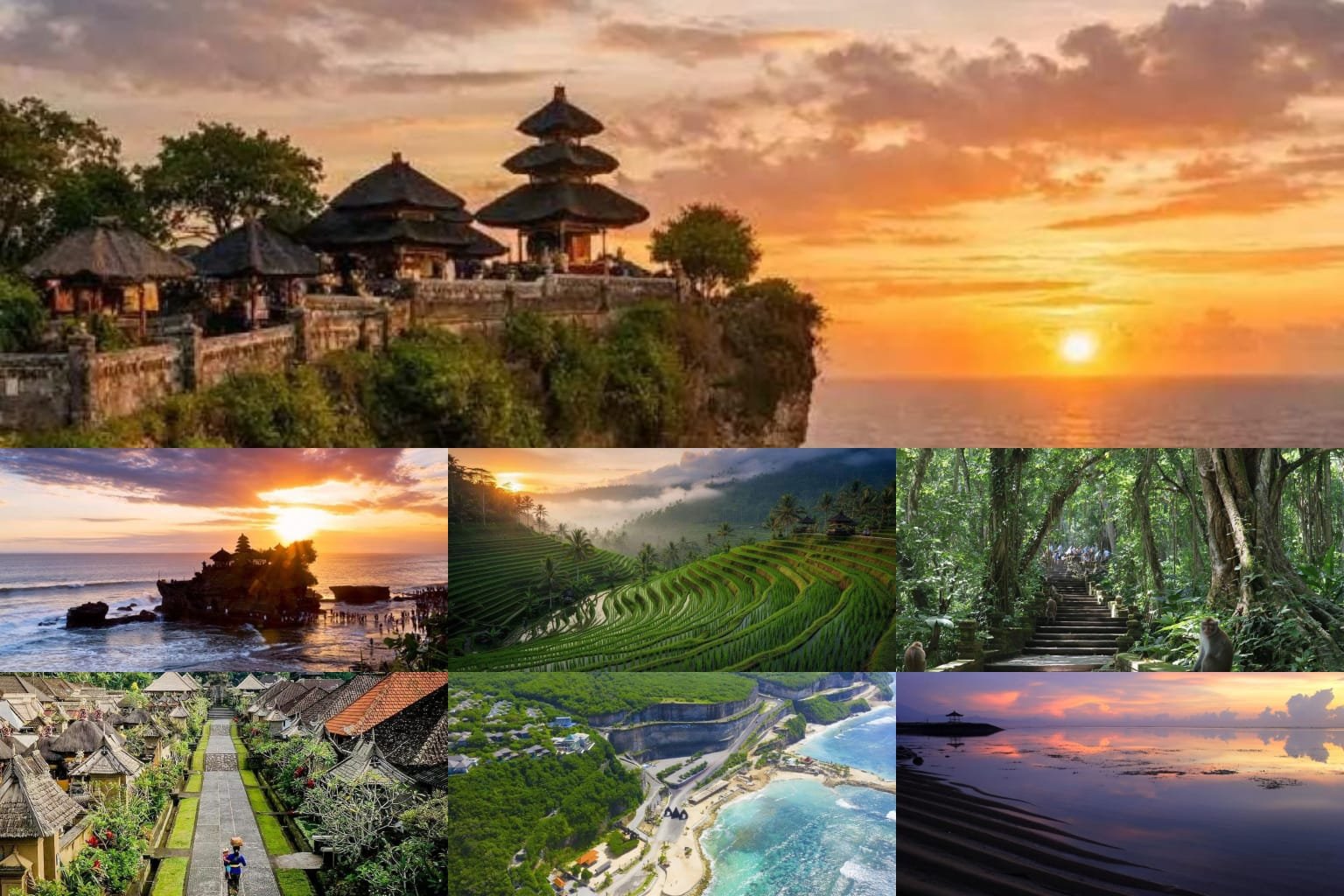
Melasti Beach in Ungasan, Badung, is one of the destinations that combines dramatic limestone cliffs, turquoise waters and spectacular sunsets.
The winding road through the limestone cliffs has itself become a popular visual attraction, while the beach area offers opportunities for photography, relaxation and cultural experiences.
Melasti is also closely associated with Balinese Hindu traditions, making it more than just another beach destination.
Why Gen Z should go: sunset views, photography, beach activities and cultural experiences.
2. Uluwatu Temple
Perched dramatically on a cliff overlooking the Indian Ocean, Uluwatu Temple remains one of Bali’s most iconic destinations.
The location offers spectacular ocean views, particularly around sunset. Visitors can also experience the famous Kecak dance performance, which combines traditional Balinese culture with one of the island’s most memorable sunset settings.
For young travelers, Uluwatu offers a combination of nature, culture and dramatic scenery in one destination.
Why Gen Z should go: cliff views, sunset, cultural performances and photography.
3. Tanah Lot
Tanah Lot remains one of Bali’s most recognizable landmarks.
The temple, located on a rocky offshore formation, has become synonymous with Bali’s spectacular sunsets. The combination of the temple silhouette, ocean and evening sky makes the site particularly attractive for photography and travel content.
Despite its long-standing popularity, Tanah Lot continues to attract visitors looking for a classic Bali experience.
Why Gen Z should go: sunset photography, cultural tourism and iconic Bali scenery.
4. Ubud Monkey Forest
For travelers looking for a greener side of Bali, Ubud offers an entirely different atmosphere from the island’s southern beaches.
The Ubud Monkey Forest features a tropical forest environment inhabited by long-tailed macaques, alongside temples and traditional Balinese cultural elements.
Ubud itself is also widely known as a center for art, wellness, yoga, traditional culture and nature-based tourism.
Visitors, however, should follow local rules when interacting with the monkeys and avoid feeding or disturbing the animals.
Why Gen Z should go: nature walks, cultural exploration, photography and wellness.
5. Tegallalang Rice Terraces
Bali’s appeal extends well beyond its beaches. The Tegallalang rice terraces near Ubud offer one of the island’s most distinctive agricultural landscapes.
The layered green rice fields follow the contours of the hills and provide a striking backdrop for photography and video.
The area also offers an opportunity to learn about Bali’s traditional agricultural culture and the island’s famous subak irrigation system.
Why Gen Z should go: scenic landscapes, photography, nature and slow travel.
6. Kelingking Beach, Nusa Penida
Nusa Penida has become a favorite destination for travelers looking for adventure and dramatic landscapes.
Kelingking Beach is perhaps the island’s most recognizable attraction, famous for its spectacular cliff formation resembling a Tyrannosaurus rex.
The viewpoint provides a breathtaking panorama of the coastline, although visitors should exercise caution because of the steep terrain and changing weather conditions.
Why Gen Z should go: adventure, hiking, dramatic landscapes and travel content.
7. Penglipuran Village
For Gen Z travelers interested in experiencing traditional Balinese life, Penglipuran Village offers something very different from Bali’s beach and nightlife destinations.
The village is known for its traditional layout, cleanliness and efforts to preserve local culture and architecture.
Its atmosphere provides visitors with an opportunity to experience a more authentic cultural side of Bali while also supporting village-based tourism.
Why Gen Z should go: cultural tourism, traditional architecture, photography and sustainable travel.
8. Garuda Wisnu Kencana Cultural Park
Garuda Wisnu Kencana, or GWK, combines Balinese culture, art, architecture and entertainment in one large tourism complex.
Its monumental Garuda Wisnu Kencana statue has become one of Bali’s most recognizable modern landmarks.
The expansive area also provides numerous locations for photography and video production, making GWK particularly suitable for younger travelers who enjoy visual storytelling.
Why Gen Z should go: culture, architecture, photography and digital content.
9. Canggu
Canggu represents a different side of Bali’s tourism industry.
Rather than being defined by a single attraction, the area has developed into a lifestyle destination combining beaches, surfing, cafés, restaurants, accommodation, nightlife and communities of international visitors and digital nomads.
For Gen Z, Canggu offers the opportunity to combine leisure, food, social experiences and work-friendly spaces in one area.
Why Gen Z should go: surfing, café hopping, culinary experiences, sunsets and lifestyle tourism.
10. Sanur
Sanur provides a quieter alternative to some of Bali’s busier tourist areas.
The destination is particularly known for its sunrise views, relatively calm coastal waters and relaxed atmosphere. Visitors can also explore the area by bicycle or enjoy the beachfront in the morning.
For younger travelers seeking a slower pace, Sanur offers an opportunity to experience another side of Bali without leaving the island’s tourism infrastructure behind.
Why Gen Z should go: sunrise, cycling, photography, culinary experiences and slow travel.
Bali Beyond the “Beach and Sunset” Formula
The 10 destinations show how Bali’s tourism appeal in 2026 extends well beyond the traditional formula of beaches, nightlife and sunsets.
For Gen Z travelers, the island offers a combination of nature, culture, adventure, wellness, culinary experiences and lifestyle tourism.
The growing popularity of destinations such as Melasti Beach, Penglipuran and Canggu also shows that younger travelers are looking for experiences that can be both personally meaningful and visually engaging.
However, the most important consideration should not simply be whether a location is “viral.” Travelers should also respect local culture, protect the environment and follow safety regulations.
Bali’s enduring appeal ultimately lies in its diversity. From the cliffs of Uluwatu and the rice terraces of Tegallalang to the traditional streets of Penglipuran and the beaches of Sanur, the island continues to offer different stories for every generation.
For Gen Z in 2026, the best Bali trip may therefore be less about chasing viral locations and more about collecting meaningful experiences along the way.







Discussion (0)
No comments yet.