
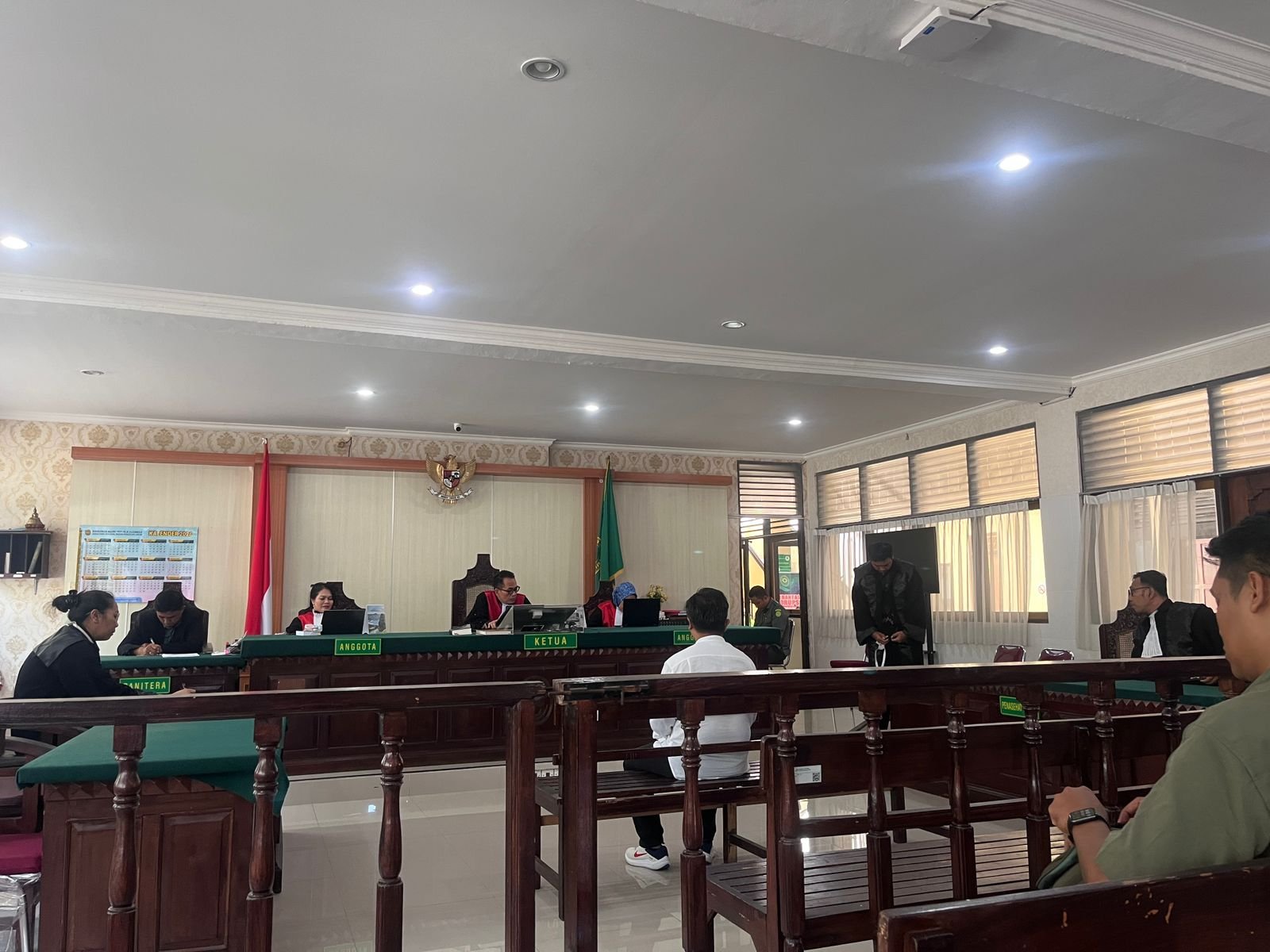
BALINEWSID.COM, DENPASAR – The legal case involving the Director of PT Unipro Konstruksi Indonesia (UKI), Piet Arja Saputra, has entered a new phase after a panel of judges at the Denpasar District Court approved his request to transfer his detention status from a detention center to house arrest.
The decision was made following earlier hearings in which several witnesses testified. The ruling has drawn public attention, including from legal academics.
Criminal law lecturer at Tama Jagakarsa University Jakarta, Dr. Siprianus Edi Hardum, S.I.P., S.H., M.H., described the decision as a sign of judicial courage in upholding justice.
According to him, the transfer from detention to house arrest is typically based on several considerations, such as the defendant’s health condition, their role as the family’s primary breadwinner, and guarantees that the defendant will not flee and will remain cooperative throughout the trial.
However, in Piet Arja Saputra’s case, Edi Hardum pointed to a more crucial factor: the alleged presence of criminalization.
“Judges usually also consider whether a case contains elements of criminalization. If from the outset the judges sense such indications, detention can be suspended,” he said on Wednesday (April 8, 2026).
He also cited a similar case in Tanah Karo, which ended in the acquittal of the defendant after it was proven to be a case of criminalization.
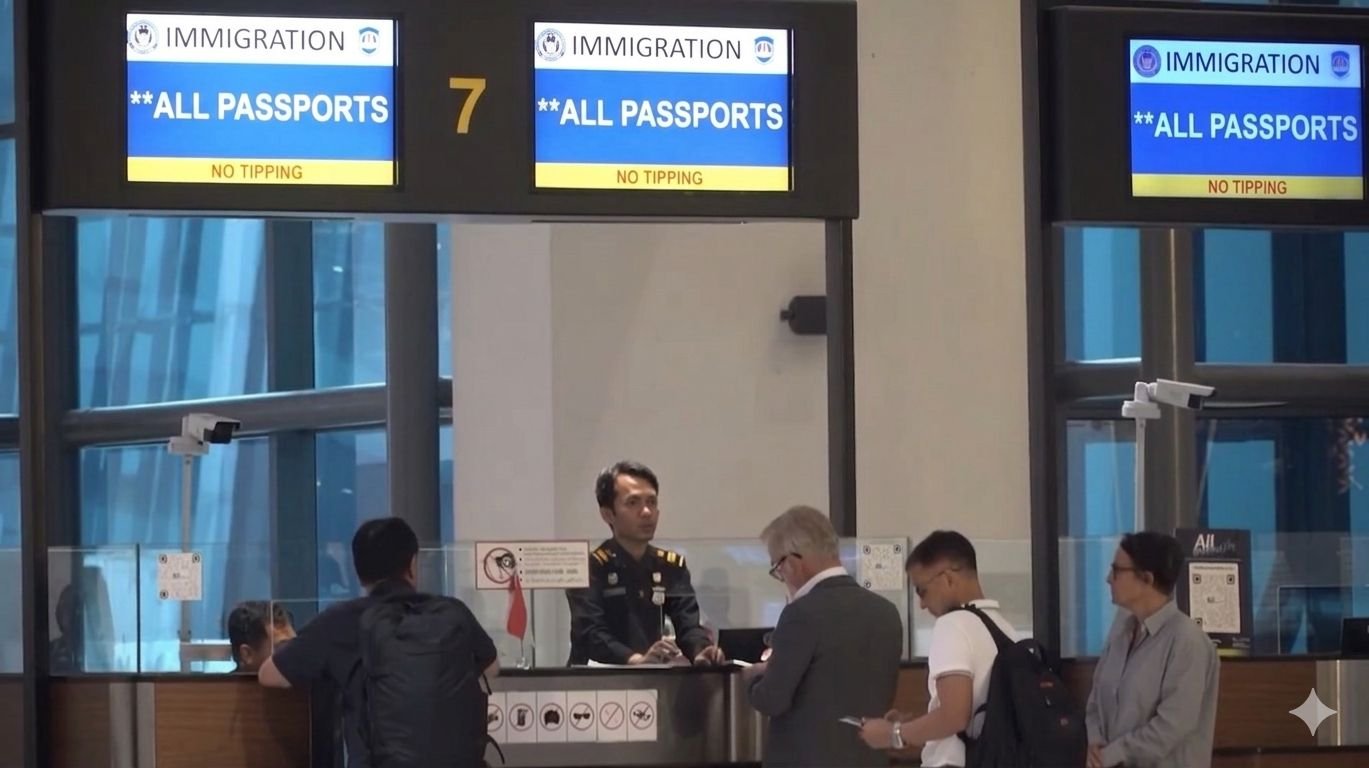
The case against Piet stems from a cooperation project to build airport lounges at three major airports in Indonesia. Over time, the project escalated into a conflict involving a Hong Kong national, Peter Ho Kwan Chan.
Piet claimed he faced various forms of pressure, ranging from intimidation and alleged extortion to the seizure of company assets. He also alleged the involvement of two individuals claiming to be members of the Indonesian Military (TNI) in acts of intimidation.
The situation escalated when the bank account token of PT UKI was allegedly taken by force and used for transactions without his knowledge. When Piet attempted to secure the account by blocking access and reporting the loss, he was instead reported to authorities and later named a suspect.
During the trial, several facts emerged, including what were described as inconsistent witness testimonies, discrepancies in fund flow data, and alleged nominee practices involving foreign parties.
Piet’s legal team argued that there are numerous irregularities in the case, including inconsistencies in the reported amount of losses.
Additionally, statements from two individuals claiming to be TNI members—who said they acted under orders from certain parties—have also come under scrutiny, although these claims have not been fully recorded in the official investigation report.
Edi Hardum emphasized that the judges’ decision to grant house arrest deserves appreciation, as it reflects not only adherence to formal legal aspects but also consideration of substantive justice.
“Judges like this uphold the three objectives of law: legal certainty, utility, and justice. This deserves recognition,” he said.
Under house arrest, Piet Arja Saputra can now undergo the legal process without being held in detention. He expressed hope that all facts will be revealed objectively during the trial.
“I was only carrying out my responsibility as a director to protect the company, yet I was the one named a suspect,” he said.
The case has attracted widespread attention due to the involvement of a foreign national and allegations of misconduct by individuals claiming to be security personnel. The public is now awaiting further developments, including whether the alleged criminalization will be proven in court.




Discussion (0)
No comments yet.